Uncategorized

Apply Now for the 2027 UConn Extension Master Gardener Program

Do you enjoy gardening, learning about plants, and helping others succeed in their landscapes and gardens? The UConn Extension Master Gardener Program is now welcoming applications for the 2027 training class, offering Connecticut residents the opportunity to deepen their horticultural knowledge while making a positive impact in their communities.

For more than four decades, the UConn Extension Master Gardener Program has connected enthusiastic gardeners with research-based education and meaningful volunteer opportunities. Participants receive comprehensive training from UConn Extension experts and become trusted sources of gardening information in communities throughout Connecticut.

What is a Master Gardener?

UConn Extension Master Gardeners are trained volunteers who share university-based horticultural information with the public. They help residents answer questions about plants, soils, insects, diseases, invasive species, sustainable gardening practices, and more. Through educational outreach, plant clinics, demonstration gardens, community events, and other volunteer efforts, Master Gardeners help connect Connecticut residents with reliable gardening information.

What You’ll Learn

The Master Gardener certification program provides a strong foundation in horticultural science and practical gardening skills. Training includes topics such as:

  • Botany and plant growth
  • Soils and soil health
  • Plant pathology
  • Entomology
  • Integrated Pest Management (IPM)
  • Trees, shrubs, and ornamental plants
  • Vegetable and fruit production
  • Turfgrass management
  • Invasive plants and weeds
  • Water quality and environmental stewardship
  • Plant identification and diagnostics

The program begins each January and includes sixteen weeks of intensive instruction led by UConn Extension educators and specialists. Participants gain the knowledge and confidence needed to answer gardening questions and provide science-based recommendations.

Learning Through Volunteer Service

Becoming a Certified UConn Master Gardener involves more than classroom learning. Participants also complete a 60-hour internship that combines hands-on training with community outreach. Volunteers learn how to research horticultural questions, assist the public, and support educational programs that benefit Connecticut communities.

Volunteer experiences may include:

  • Assisting with plant and garden clinics
  • Staffing educational exhibits at fairs and public events
  • Working in demonstration gardens
  • Presenting educational programs
  • Supporting community gardening initiatives

Why Become a Master Gardener?

Many participants join the program to improve their own gardening skills, but they often discover additional benefits along the way. The program provides opportunities to:

  • Learn from UConn Extension experts
  • Connect with fellow gardening enthusiasts
  • Support environmental stewardship efforts
  • Give back to local communities
  • Continue learning through advanced training opportunities after certification

Is the 2027 Program Right for You?

The UConn Extension Master Gardener Program is ideal for individuals who enjoy learning, are curious about the science behind gardening, and are willing to share their knowledge with others. Whether you are an experienced gardener or simply eager to expand your understanding of plants and landscapes, the program offers a rewarding opportunity for personal growth and community service.

The 2027 class will begin in January, and interested applicants are encouraged to learn more about program requirements, training expectations, and the application process.

By becoming a UConn Extension Master Gardener, you’ll gain valuable horticultural knowledge, join a statewide network of dedicated volunteers, and help bring trusted, research-based information to Connecticut communities.

Ready to grow your knowledge and make a difference? Apply for the 2027 UConn Extension Master Gardener Program today.
Preserving the Gardens at one of Connecticut’s Most Famous Homes

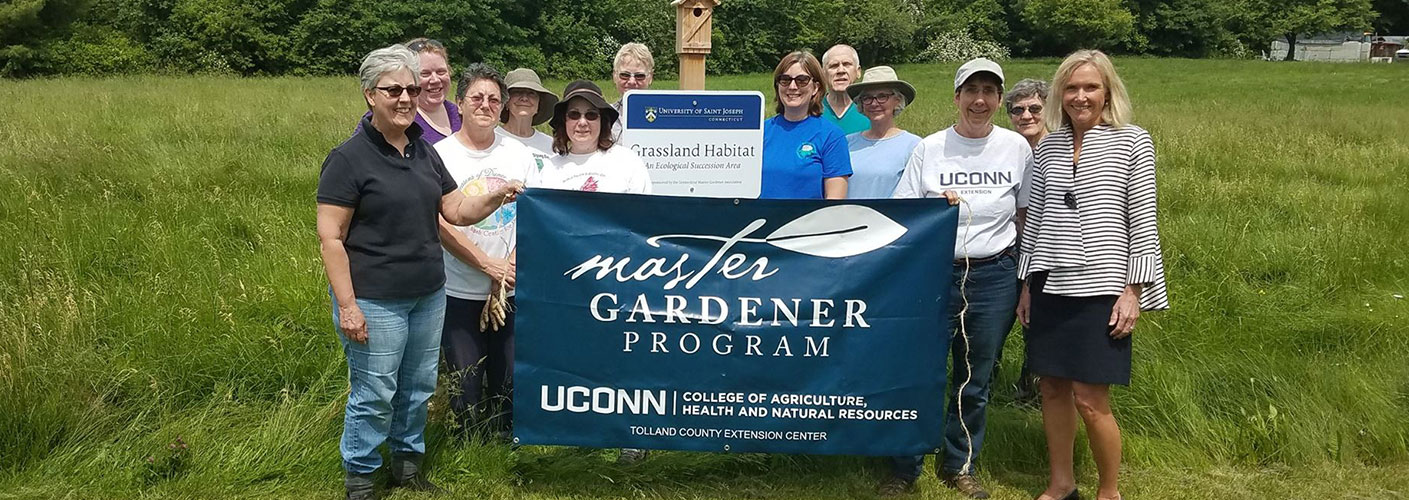
On a weekday morning at the Mark Twain House and Museum in Hartford, the parking lot tells its own story. Cars arrive from Pennsylvania, Virginia, New York, Vermont, and Indiana; the visitors are drawn to the iconic home, and increasingly to the gardens surrounding it. Winding through historic beds, pollinator pathways, urns, and terraces surrounding the home, they encounter living history stewarded by UConn Extension Master Gardener volunteers.

For more than a decade, Master Gardener volunteers have played a vital role in shaping, restoring, and sustaining the historic gardens at the Mark Twain House. Their work blends horticultural expertise with research, interpretation, and care, helping ensure these landscapes reflect the Victorian-era setting of Twain’s time while remaining resilient and relevant today.

Read the article:

UConn Extension Volunteers Are Preserving One of Connecticut’s Most Famous Homes

Applications Open for UConn’s 2026 Master Gardener Program

UConn Extension is now accepting applications for its 2026 Master Gardener Program, a comprehensive educational initiative that combines horticultural training with community service.

Applications must be submitted by Friday, October 17, 2025, to the location where applicants wish to take classes—either a county Extension Center or the Bartlett Arboretum. The Litchfield County cohort offers a flexible option to attend the classroom portion either in-person or virtually online, though all other program components must be completed in person.

Accepted applicants will be notified by Monday, November 3, 2025, and must complete registration and submit the $495.00 program fee by Friday, December 5, 2025. Classes begin the week of January 11, 2026.

The program includes over 100 hours of classroom instruction delivered online over 16 weeks, with weekly live sessions held from 9:00 AM to 1:00 PM. Coursework includes quizzes, a graded exam, and a plant identification and research project due by August 2026. Participants must also attend one of five in-person summer diagnostic sessions and complete a final diagnostic exam and essay by September 2026.

In addition to coursework, participants must complete 30 hours of in-office service at a UConn Extension Center or the Bartlett Arboretum, and 30 hours of approved educational outreach or community projects, all by the end of September 2026. Interested individuals are encouraged to visit mastergardener.uconn.edu for more information and to explore related offerings such as the Fundamentals of Home Gardening online course. For questions, contact the program at mastergardener@uconn.edu or call 860-486-7178.

Your Support Matters: UConn Gives 2025

As a valued member of our community, we are reaching out to invite you to support the UConn Extension Master Gardener Program during UConn Gives, our university’s annual giving event.

Why Your Support Matters

  • Expand Educational Outreach: Develop and deliver more workshops, classes, and resources to gardeners of all skill levels.
  • Enhance Community Projects: Support community gardens, urban greening initiatives, and other projects that improve local environments and provide fresh produce to those in need.
  • Provide Scholarships: Offer financial assistance to aspiring Master Gardeners who may not otherwise be able to participate in our program.
  • Upgrade Facilities and Resources: Maintain and improve our teaching gardens, greenhouses, and educational materials to ensure a high-quality learning experience.

Every donation, no matter the size, helps us continue our mission of fostering a love for gardening and environmental stewardship.

Thank you for considering a donation to the UConn Extension Master Gardener Program. Together, we can cultivate a greener, healthier future.

Fundamentals of Home Gardening Online Course

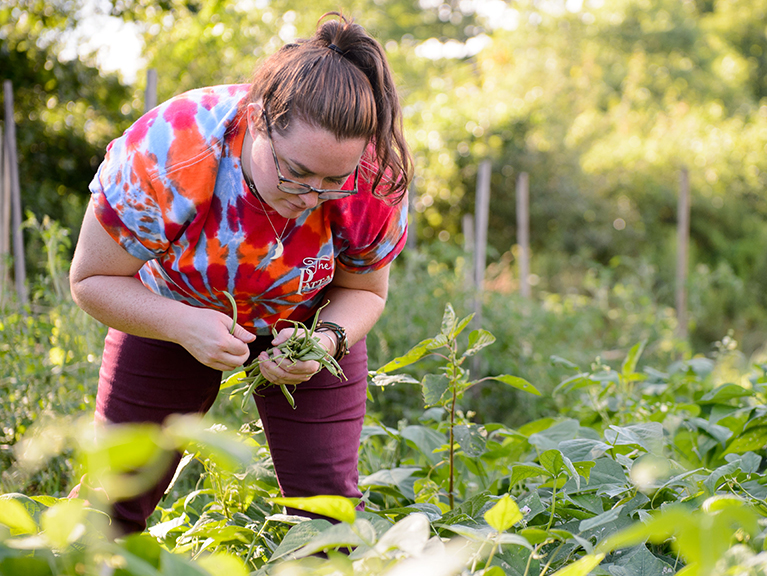
person in a vegetable gardenUConn Extension is excited to announce that the Fundamentals of Home Gardening online course, designed to help gardening enthusiasts of all levels cultivate thriving home gardens, is available for home gardeners who want to expand their knowledge and skills. The course is divided into four modules covering essential gardening topics:

  • CORE – Water, Soils, and Botany
  • ENVIRONMENTALS – Plants and the Environment, Plant Pathology, Entomology, and Pest Management
  • FOODS – Growing Vegetables, Tree Fruits & Berries, and Herbs
  • ORNAMENTALS – Herbaceous Ornamentals, Woody Plants, Turf, and Native-Nonnative vs. Invasive Plants

Participants will learn from UConn Extension experts and complete the course at their own pace. Whether you’re new to gardening or looking to refine your skills, this course provides the essential knowledge needed for success. Unlike the UConn Extension Master Gardener Program, the Fundamentals of Home Gardening course does not have a volunteer component. It is a fully online, self-paced program designed for individuals who want to deepen their gardening knowledge without the commitment of volunteer service. “Gardening is not just about planting; it’s about understanding the science behind it,” said Bonnie Burr, assistant director for UConn Extension. “This course gives participants the foundation they need to create and maintain healthy, productive gardens.”

Benefits of Gardening Participants in this course will not only gain practical gardening skills but also experience the many benefits gardening provides:

  • Health & Well-being: Gardening is a great form of physical activity, reduces stress, and improves mental well-being.
  • Food Security: Learning to grow your own fruits, vegetables, and herbs ensures access to fresh, nutritious produce.
  • Environmental Impact: Sustainable gardening practices promote biodiversity, reduce pesticide use, and contribute to a healthier planet.
  • Personal Enjoyment: Whether growing flowers, food, or landscaping plants, gardening is a fulfilling and rewarding hobby.

Registration is now open. Learn more and enroll at: s.uconn.edu/fundamental.

Seed Distribution Applications Available

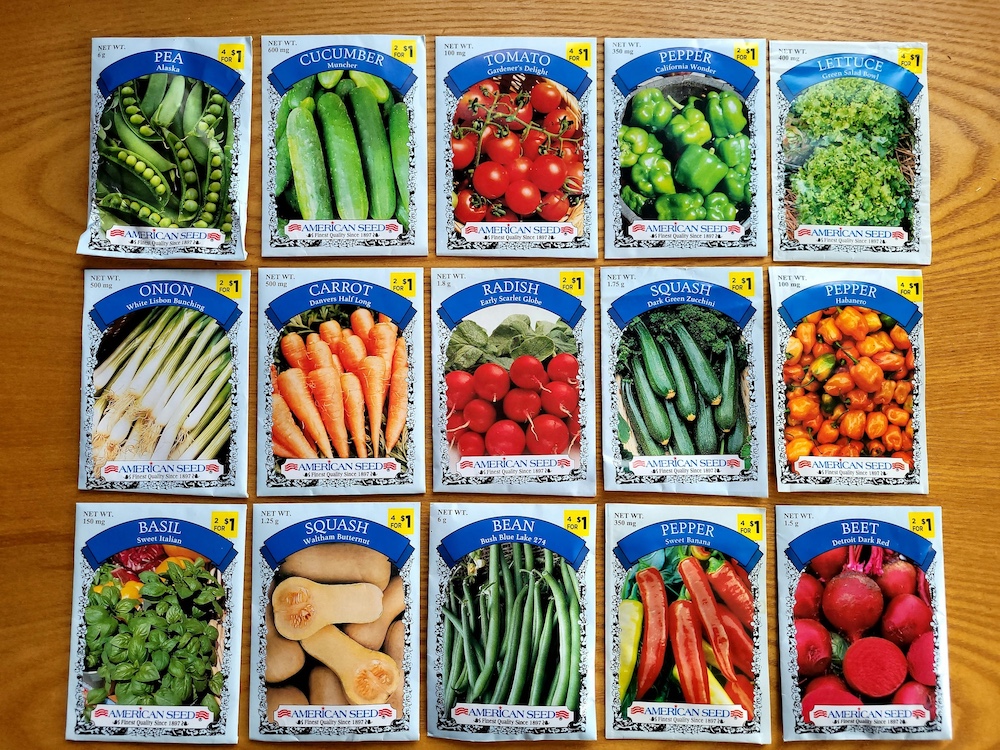
packets of vegetable seeds in rows on a table

Apply Now for the Ocean State Job Lot Seed Distribution with the UConn Extension Master Gardeners

The UConn Extension Master Gardener Program is now taking requests for our 2025 free seed distribution program. The updated information and seed request are available at: s.uconn.edu/seeds. Thank you for your interest in the program.

We reserve the right to substitute seed packets due to availability, and orders are filled on a first-come, first-served basis. Visit mastergardener.uconn.edu for more information and resources. 

Applications are Open for the 2025 Master Gardener Program

The hot, hazy summer days are a great time to plan for next year’s gardening activities! Apply now for the 2025 UConn Extension Master Gardener Program; the deadline for applications is Friday, October 25, 2024.

“The program provides the opportunity for beginner, intermediate or experienced gardeners to increase their personal knowledge of the practice of gardening … The program allows you to meet with like-minded people over a common interest – growing plants,” says Advanced Master Gardener Ken Sherrick of Middletown.

UConn Extension Master Gardeners have an interest in plants, gardening, people and the environment.  Specifically, they are willing to share their knowledge, passion and enthusiasm with their communities, providing research-based information to homeowners, students, gardening communities and others. They receive horticultural training from UConn, and then share that knowledge with the public through community volunteering and educational outreach efforts. UConn Extension Master Gardeners help with community and museum gardens, school gardens, backyard projects, houseplant questions and more.

Classes begin the week of January 13, 2025. Subject matter includes basic botany, plant pathology, soils, entomology and other aspects of gardening such as plant categories, native plants, and pest management. After the classroom portion, students complete 60 hours of outreach experience during the summer, along with a plant identification project.

“The Master Gardener program gave me an understanding the role of plants and insects within the ecosystem, which fostered a passion for removing invasive plants,” says Advanced Master Gardener Karen Berger of Canton, who now volunteers on a project to remove invasives, replacing them with native plants that benefit the local environment.

More information and the application are available on our website.